Have you ever shared a script with someone and they didn’t get your vision? Maybe they liked the story but they couldn’t distinguish what it would look like as a finished product. When pitching a show you will often be asked for a “lookbook” or a “series bible” for this exact reason. The intention of a lookbook is to provide a level of visual storytelling to your pitch. Instead of word-vomiting the ins and outs of your series or film, you will physically have a way to convey your vision. The purpose of a series bible is to let potential buyers in on the greater story being told over the course of the first season and beyond. Let’s dive into some examples of these industry tools.
The Lookbook
The job of the lookbook is to “curate the vibe” or mood of the film. It should be a wordless string of visuals that tell the story through a visual medium. A big reason to create a lookbook for your script is that it can catch the attention of directors or producers that are on the lookout for a specific style of film or series.
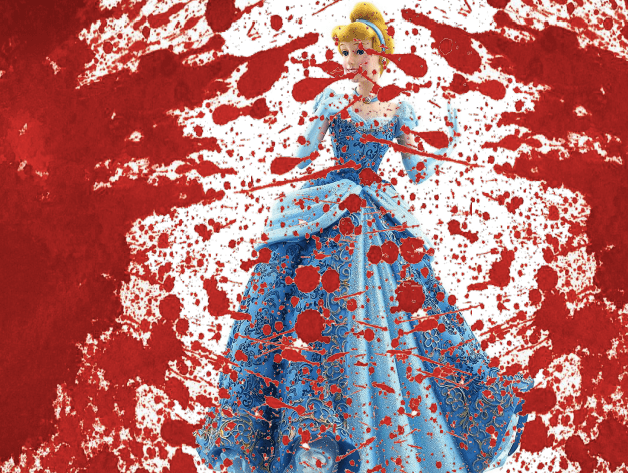
A lookbook that stood out to me recently was for Coralie Fargeat’s The Substance (2024). Fargeat did a great job incorporating both iconic figures such as Cinderella and the nastiest creatures to exist on film, specifically the fully transformed Jeff Goldblum in The Fly (1986). This perfectly depicts the transition that Elisabeth Sparkle and Sue (later Monstro Elisasue) endure over the course of the film without giving any context of what is actually happening on the page. Here are some of my favorite images Fargeat used in The Substance lookbook in chronological order:





The Series Bible
A series bible, while similar to a lookbook, focuses more on the long term storytelling of your series. Your pilot may be read, but the reader may be thinking, “where is this going?” Creating a series bible allows you to open up about the characters and storylines along with providing influences or comps for the project. This is your chance as the creator to explore the themes and explain why your story is not only engaging, but important.
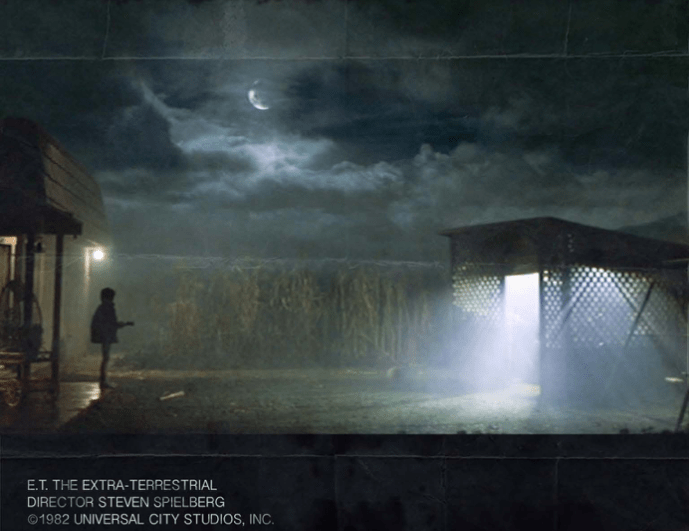
One of the best series bibles that I have come across was created by The Duffer Brothers, co-creators of Stranger Things. A show that heavily revolves around 80s sci-fi, horror, and the nostalgic style of the decade becomes elevated as they paired images of iconic film moments to the characters that they were elaborating on. The inclusion of written bios along with related images bridges gaps for readers and gives a strong sense of the style of show you are creating. Here are a few pages from the Stranger Things (originally titled Montauk) series bible:


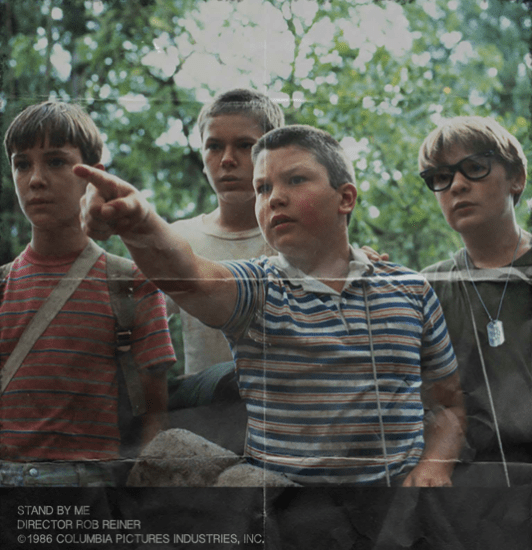
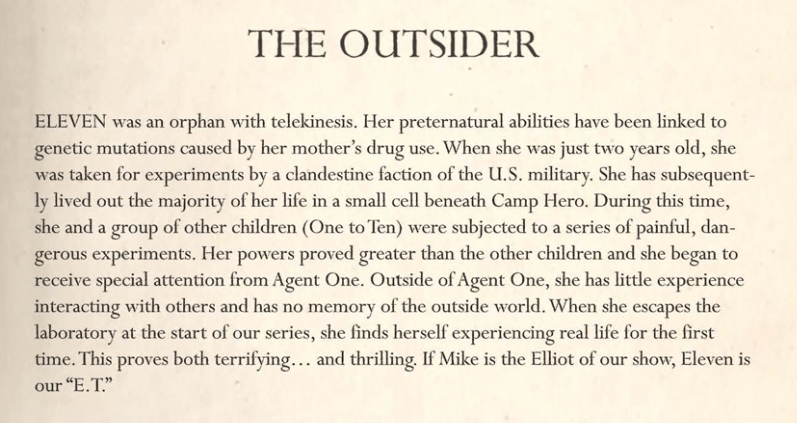

Do you see how both the Stranger Things series bible and The Substance lookbook evoke a specific mood that define the overall products? That should be the goal if you are to ever create one of these documents. Writers are often told to focus solely on the written page, but that should not be the case! Even if you have no intention to direct, being able to tell your story through images and crafting a great series bible or lookbook can be the difference in selling your pilot. When writers prioritize finding multiple ways to share their stories, they are casting a wider net and just may be one step closer to getting their script noticed.
-Cody
 How We Write
Leave a comment